Lucky String: A Handwritten Sans Serif for Authentic Branding
I remember staring at my laptop screen late one Tuesday night, trying to fix the visual identity of my small online candle shop. I had just received a batch of custom soy wax candles in amber jars, but the labels looked... off. The design was clean, sure, but it felt cold. It lacked the warmth and personal touch that customers associated with handmade goods. I needed something that felt human, like a note written by hand, but still legible enough for ingredient lists and safety warnings. That’s when I rediscovered Lucky String.
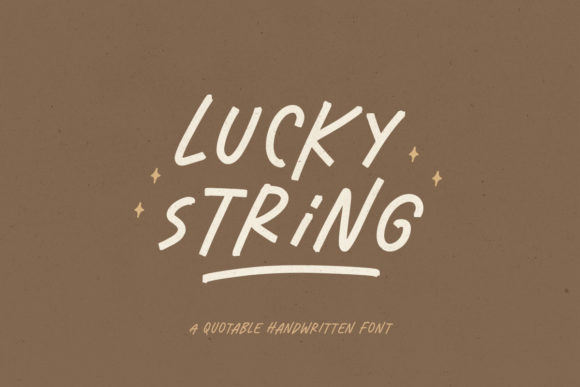
As a small business owner who wears every hat—from CEO to graphic designer—I know that typography is not just about picking pretty letters. It is about communication. It sets the tone before a customer even reads your tagline. Lucky String, described as a quotable handwritten font with unique lowercase variations, turned out to be exactly what my brand needed. It sits in an interesting space between casual and polished, making it a versatile choice for businesses looking to add a touch of humanity to their digital and physical assets.
Why Handwritten Fonts Matter for Small Business Trust
In the world of e-commerce and branding, first impressions are everything. When a potential customer lands on your website or picks up your product, they make split-second decisions about your credibility. This is where modern typography plays a crucial role. While sleek sans serif fonts convey professionalism and stability, they can sometimes feel impersonal. On the other hand, overly ornate script fonts can be hard to read and may signal "cheap" if not executed well.
This is where Lucky String shines. As a sans serif typeface with a handwritten soul, it bridges the gap. It retains the clean lines and readability of a standard sans serif while injecting the personality of a creative font. For boutique owners, café operators, and handmade sellers, this balance is vital. It tells your audience, "We are professional, but we are also real people who care about the details."
When I applied Lucky String to my candle labels, the difference was immediate. The unique lowercase characters added a playful yet sophisticated rhythm to the text. It didn’t look like a generic template; it looked curated. This subtle shift helped elevate the perceived value of my products without requiring a complete redesign of my packaging layout.
Real-World Applications: From Packaging to Social Media
One of the most compelling aspects of Lucky String is its versatility across different design assets. In my experience testing this font for various business materials, it proved to be remarkably adaptable. Here is how it performed in practical scenarios:
- Product Labels and Packaging: For skincare brands or bakery boxes, readability is key. Lucky String works beautifully for short phrases, product names, and headlines. Its clear structure ensures that even smaller text remains legible, which is essential for compliance labels or ingredient lists when paired with a simpler body font.
- Social Media Graphics: Instagram and Pinterest are visual-first platforms. Using Lucky String for quote graphics, promotional banners, or new arrival announcements adds a consistent brand voice. It stands out in a crowded feed because it feels less "corporate" than standard fonts, encouraging higher engagement from users who value authenticity.
- Digital Ads and Web Banners: When designing ad creatives, you have seconds to grab attention. Lucky String serves as an excellent display font for headlines. It draws the eye without being aggressive. I found it particularly effective for limited-time offers or seasonal campaigns where a friendly, inviting tone is desired.
- Thank You Cards and Stickers: These are often the last touchpoint in the customer journey. Including a thank-you note printed with Lucky String reinforces the personal connection. It makes the unboxing experience feel special, turning a simple transaction into a memorable interaction.
The font’s ability to function as both a decorative accent and a primary headline tool makes it a valuable addition to any brand identity kit. It avoids the pitfalls of many handwritten fonts that become unreadable when scaled down or used in long paragraphs.
Font Pairing and Visual Harmony
A common mistake new business owners make is using too many typefaces. To maintain a cohesive look, it is important to pair Lucky String wisely. Since it has distinct character, it pairs best with neutral, clean fonts that let it take center stage.
For editorial design or longer text blocks, I recommend pairing Lucky String with a classic serif font or a minimal sans serif font. For example, using Lucky String for headers and a clean geometric sans serif for body text creates a balanced hierarchy. This combination ensures that your message is easy to digest while maintaining a stylish aesthetic.
If you are aiming for a more bohemian or artistic vibe, pairing it with an elegant serif font can create a luxurious contrast. However, avoid pairing it with other script fonts unless you are highly experienced in typography, as this can lead to visual clutter and reduced readability. The goal is consistency, and Lucky String provides enough personality on its own to carry a design system.
Practical Considerations for Commercial Use
Before downloading and implementing any premium font, there are practical steps every business owner should take. First, always check the file formats included. Ensure you have access to standard formats like OTF or TTF that are compatible with your design software, whether it is Adobe Illustrator, Canva, or Photoshop.
Next, review the included styles and alternates. Lucky String’s unique lowercase variations are part of its charm, so understanding how to access these features in your software will help you maximize the font’s potential. Additionally, verify the licensing terms. If you plan to use Lucky String on merchandise, physical packaging, or client work, ensure you have the appropriate commercial license. Some fonts require separate licenses for print versus digital use, so reading the fine print protects your business from legal issues.
Finally, test the font in context. Mockups are your best friend. Before committing to a full rebrand, create mockups of your product labels, business cards, and social media posts. Check how the font looks on mobile screens, as most of your customers will view your content on smartphones. Ensure that the letterforms remain clear and do not blur or lose detail at smaller sizes.
Ultimately, Lucky String is more than just a typeface; it is a tool for storytelling. It allows small businesses to inject warmth and personality into their communications without sacrificing professionalism. Whether you are refreshing a menu, updating an online shop banner, or designing new packaging, this font offers a reliable way to connect with your audience on a human level. In a digital world filled with rigid templates, choosing a font like Lucky String is a simple yet powerful step toward building a memorable and trustworthy brand.